Skanda Dia FoundationSkanda Dia Foundation

Devotional Profile

Lord Muruga

Skanda. Kartikeya. Subrahmanya. Kandhan. Shanmukha. Six names for one child, born to end what nothing else could — and the deity this entire lineage turns toward.

Lord Murugan (Skanda)

திருமுகன்

Born of fire, raised by six mothers

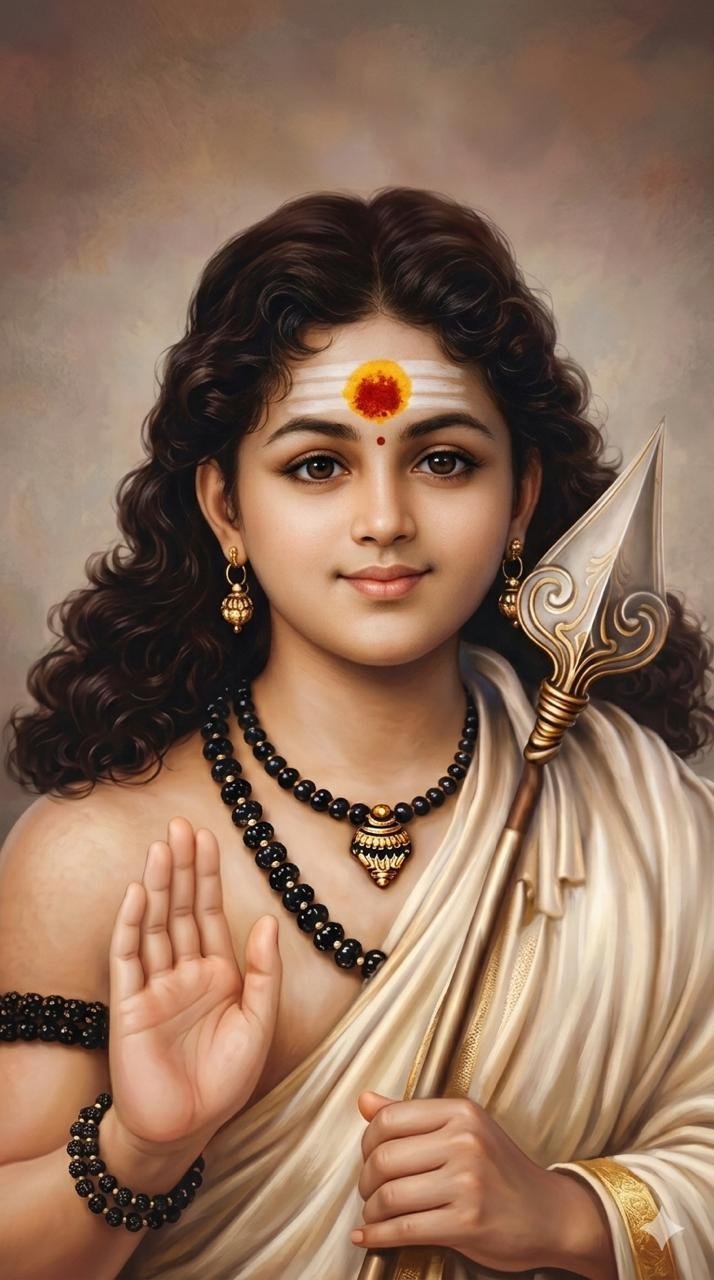
Muruga is the second son of Shiva and Parvati — born, tradition holds, from six sparks of Shiva’s own fire, carried first by Agni and the river Ganga, then nurtured by the six Krittika stars as six separate infants. Parvati draws the six close in a single embrace, and they become one child with six faces: Arumugam, ‘the six-faced one,’ Shanmukha in Sanskrit.

He is given the Vel — a spear that tradition treats less as a weapon than as wisdom itself, sharp enough to pierce through ignorance and pride. His vehicle is the peacock; His banner, the rooster.
WHY HE WAS BORN

The one thing the Devas could not do themselves

The asura Surapadman had grown, through penance, nearly invincible — and had made the three worlds his own. Only a child of Shiva, born for this single purpose, could end him. Muruga was raised, armed, and sent to war within days of His birth — command of the entire army of the Devas placed in His hands before He had grown at all.

WHAT HIS COURAGE ACTUALLY MEANS

Soorasamharam — a victory that ends in a marriage, not a funeral

He fights an idea, not a body

Surapadman’s name itself is read as pride grown monstrous. The war the Kanda Puranam describes is, at heart, the story of what it takes to face down ego that has convinced itself it is invincible.

The enemy is transformed, not erased

At the moment of defeat, Surapadman surrenders — and is remade rather than destroyed, becoming the peacock Muruga rides and the rooster on His banner. Even a defeated enemy is given a place, forever, at His side.

Victory ends in union

Skanda Sashti, the six-day festival re-enacting this war, closes not with the asura’s death but with Muruga’s wedding to Deivanai — courage understood as what makes union possible, not what stops at conquest.

TWO MARRIAGES

Valli and Deivanai — the earthly and the heavenly

Muruga marries twice: Deivanai, daughter of Indra, given to Him after Soorasamharam as a celestial bride; and Valli, a huntress He courts Himself, on Her own ground, among Her own people. Together the two marriages are read as a single teaching — that He is reached as easily through disciplined devotion as through simple, direct love.

ARUPADAIVEEDU

His six sacred abodes

Six temples across Tamil Nadu, each marking a moment in His story — and the places Thiruppugazh was largely composed to praise.

  1. Thiruparankundram
  2. Thiruchendur
  3. Pazhamudircholai
  4. Swamimalai
  5. Thiruthani
  6. Palani
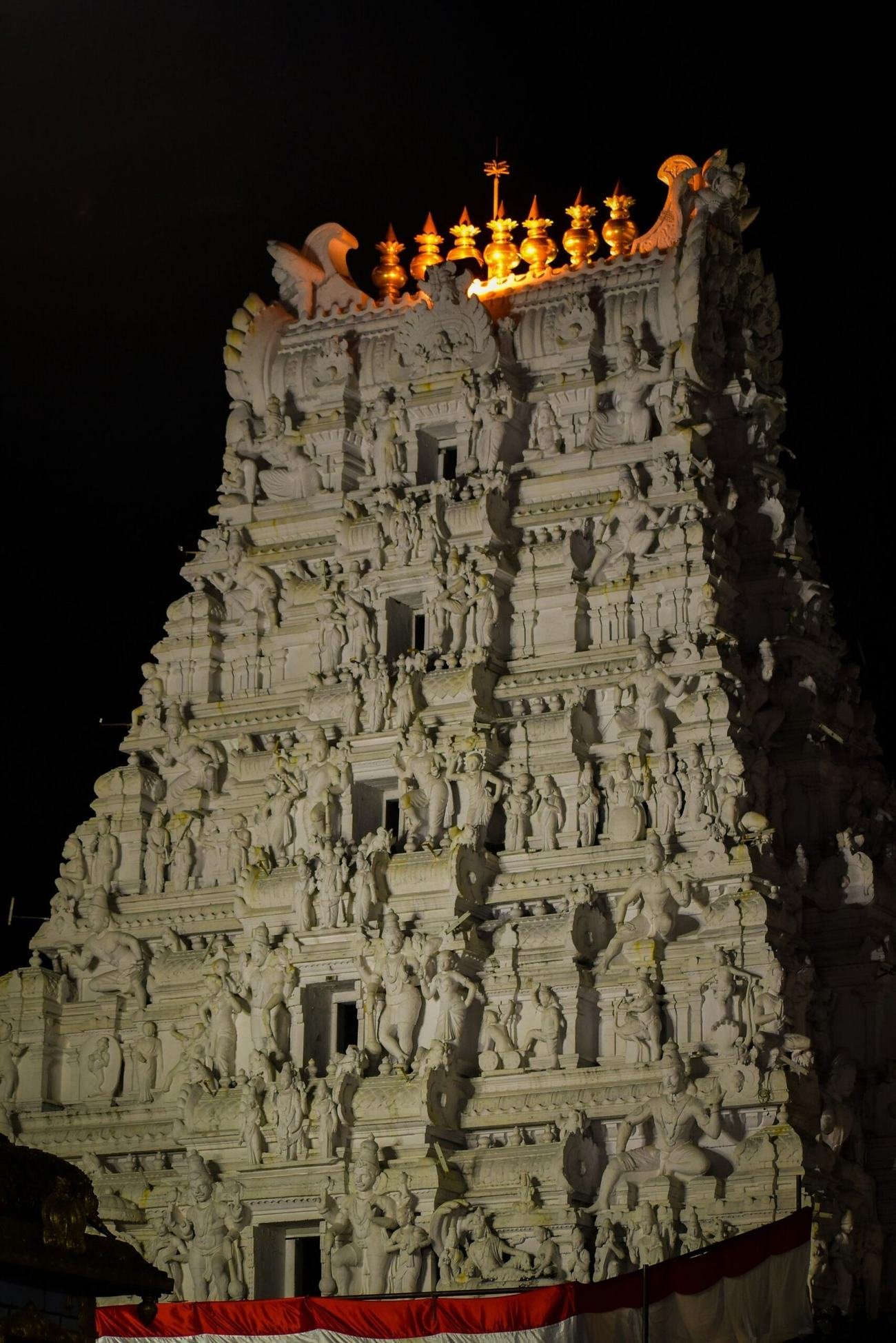
Temple gopuram

GO DEEPER

Read His story in full

Read the Epic

Kanda Puranam — the full telling of His birth and His war with Surapadman.

Explore

Read the Hymns

Thiruppugazh, sung in His praise across His six abodes for six centuries.

Explore

See the Mahayatra

The Foundation’s own yearly observance of Soorasamharam at Pranavagiri.

See Events

FOLLOW THE JOURNEY

Stay connected

Excerpts, publication updates, and glimpses of the lineage’s home in the Nilgiris — follow along on Instagram, Facebook, and YouTube.

InstagramFacebookYouTube